
Surface
Grain scale, sheen, print, touch, color and resistance to marking.
Material selection
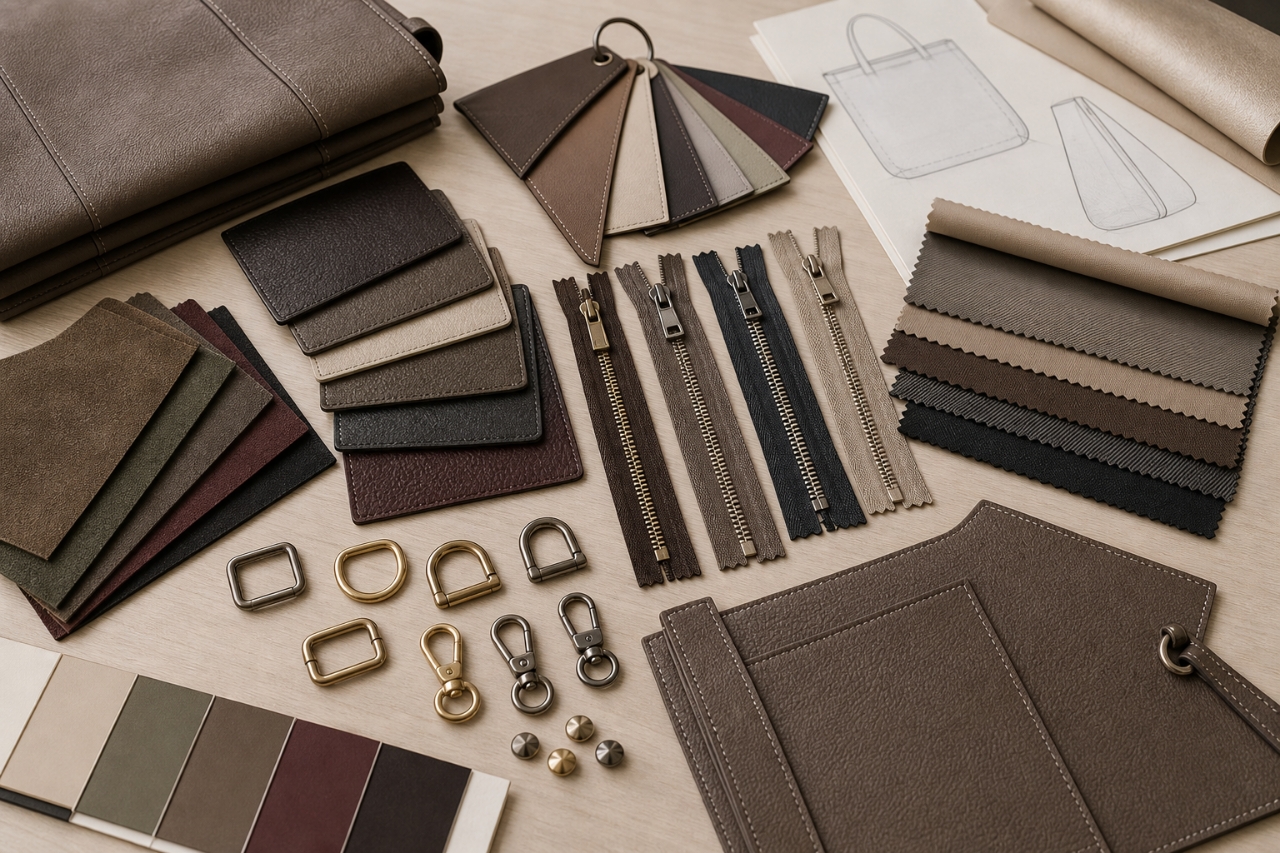
The right material is not chosen by surface color alone. Construction, backing, hand feel, thickness, crease behavior, edge performance and testing requirements all affect how a handbag looks, performs and repeats in production.
Direct answer
Compare the complete material article: surface finish, polyurethane layer, textile backing, total thickness, weight, hand feel, drape, recovery, abrasion behavior, color consistency, odor and edge-finishing response. Then evaluate it on the intended handbag construction. A soft hobo and a structured tote may require very different materials even when the surface appearance is similar.
Material directions
| Direction | What it usually describes | Questions a buyer should ask |
|---|---|---|
| Standard PU | A polyurethane-coated textile article available in many grains, gloss levels and hand feels | Backing, thickness, finish, hydrolysis expectation, abrasion and color consistency |
| Water-based PU | A PU system using water as the main dispersion medium for part of the coating process | Exact construction, supplier declaration, available colors, performance and test documentation |
| Recycled-content direction | Recycled content may be present in the coating, backing or related textile components | Which layer, claimed percentage, calculation method, traceability and certification scope |
| Recycled polyester or nylon backing | A textile base containing recycled fiber beneath the surface coating | Fiber composition, strength, weight, bonding and supporting documents |
| Vegan leather | A commercial umbrella term for non-animal leather alternatives | Full composition, restricted substances, durability and whether environmental claims are substantiated |
“Vegan” describes material origin; it does not automatically mean recycled, biodegradable or lower-impact. Treat each environmental claim as a separate specification that requires supporting documentation.
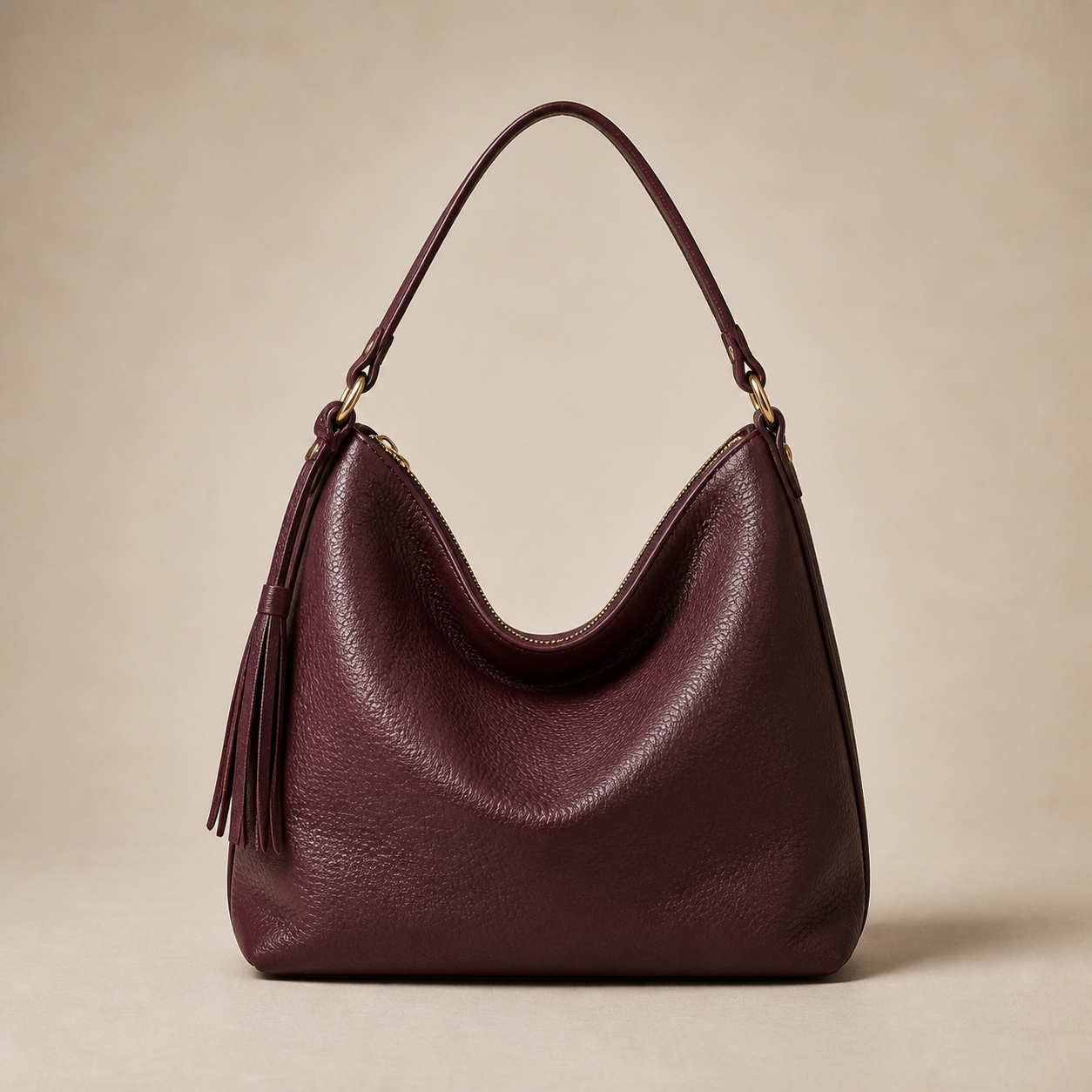
A soft bag needs controlled drape and recovery, not simply a thin material.
Construction matters
Hand feel and bag shape are created by the complete stack: surface material, backing, foam, reinforcement, lining and edge construction. Evaluate them together during sampling.
Grain scale, sheen, print, touch, color and resistance to marking.
Textile composition, density, stretch, strength and bonding behavior.
Thickness, weight, softness, drape, crease recovery and temperature response.
Cutting, skiving, folding, stitching, gluing and edge-paint performance.
Match material to bag type
Look for a supple article that folds naturally but does not remain heavily creased after handling.
Consider how the material works with reinforcement, corners, panels, handles and edge finishing.
Review strap edges, opening areas, hardware contact, repeated flexing and color transfer risk.
Check skiving, tight folds, edge paint, small seam allowances and repeated opening.
Buyer checklist
Testing and claims
A brand restricted-substance list, destination-market requirements and product performance protocol should be shared early. BUYREAL can align sourcing and coordinate supplier documents or buyer-requested third-party testing for the selected material.

Approve the material together with the sample—not as an isolated swatch.
Buyer questions
PU leather is one common type of vegan leather when it contains no animal-derived leather. Vegan leather is a broader commercial term and may describe different synthetic or plant-based material constructions. The actual composition should be confirmed with the supplier.
No. Vegan describes the absence of animal-derived leather, not the complete environmental impact. Material composition, coating chemistry, durability, recycled content, production method and end-of-life options should be considered separately.
Specify the intended bag shape, surface appearance, hand feel, thickness range, backing, color, edge treatment, performance expectations, target price and any restricted-substance or testing requirements.
Water-based PU generally refers to a polyurethane system that uses water as the main dispersion medium for part of the coating process. Buyers should still request the exact construction, supplier documentation and applicable test results rather than rely on the name alone.
Recycled-content directions may be available in the PU layer, backing or related components. Availability, percentage claims, documentation, hand feel and performance vary by supplier and should be confirmed for the selected article.
Start a conversation
Share the product category, target retail price, reference images, material direction, expected quantity and sample deadline. BUYREAL will respond with a practical development route.
Guangzhou Buyreal Leather Products Co., Ltd.